
Listener feedback and engagement metrics are two key tools for podcasters to understand their audience and improve content. Listener feedback provides personal and emotional insights, while engagement metrics offer measurable data on audience behavior. Combining both can lead to better content and audience growth.
- Podcast Analytics Deep Dive
- Definition of Listener Feedback
- Features of Listener Feedback
- Tools for Collecting Listener Feedback
- Definition of Engagement Metrics
- Features of Engagement Metrics
- Examples of Engagement Metrics
- sbb-itb-9f49a8d
- Comparison of Listener Feedback and Engagement Metrics
- Pros and Cons
- Combining Feedback and Metrics
- Tools and Resources for Podcasters
- Listener Feedback Tools
- Engagement Metrics Tools
- Podcastsoftware.co
- Conclusion
- Main Points
Key Highlights:
- Listener Feedback: Direct input from listeners (e.g., comments, surveys) helps understand emotional reactions and specific preferences.
- Engagement Metrics: Data like downloads, completion rates, and skip rates track audience behavior and content performance.
- Combined Approach: Using both methods improves decision-making, with 62% of podcasters seeing better results when blending feedback and metrics.
Quick Comparison Table:
| Aspect | Listener Feedback | Engagement Metrics | Combined Impact |
|---|---|---|---|
| Data Type | Personal opinions | Numerical performance data | Complete understanding |
| Collection Speed | Slower, manual input | Real-time, automated | Balanced insights |
| Depth of Insight | Emotional and contextual | Trends and patterns | Deeper audience knowledge |
| Ease of Use | Harder to analyze | Easier to track | Informed decisions |
To maximize results, podcasters should collect feedback, track metrics, and use both to refine their content strategy.
Podcast Analytics Deep Dive
Definition of Listener Feedback
Listener feedback refers to the direct communication between podcasters and their audience, providing valuable insights through comments, opinions, and suggestions. It helps podcasters understand how their content connects with listeners on a deeper level, complementing numerical engagement metrics.
Features of Listener Feedback
- Emotional Context: Highlights personal and emotional reactions to episodes.
- Detailed Insights: Offers specific suggestions based on individual listener experiences.
- Contextual Understanding: Explains why certain content works – or doesn’t – beyond just the numbers.
According to Edison Research, 71% of listeners feel more connected to podcasts that actively seek their input, showing how feedback strengthens audience relationships [1].
Tools for Collecting Listener Feedback
| Tool Type | Purpose | Best For |
|---|---|---|
| Survey Forms | Gather structured feedback | Routine audience check-ins |
| Voice Messages | Capture emotional reactions | Testimonials and in-depth input |
| Timestamped Comments | Focus on specific moments | Episode-focused feedback |
| Social Media | Enable real-time interaction | Building a community |
“Listener feedback is the lifeblood of any successful podcast. It’s the only way to truly understand what your audience wants and needs.” – Adam Sachs, CEO of Midroll [2]
To make the most of listener feedback, podcasters should provide easy-to-use channels and encourage constructive contributions. When paired with engagement metrics, this feedback creates a fuller picture of audience preferences and behaviors.
Definition of Engagement Metrics
Engagement metrics measure how listeners interact with podcast content. Unlike listener feedback, which provides qualitative opinions, these metrics focus on quantifiable audience behaviors.
Features of Engagement Metrics
Engagement metrics come with several key benefits:
- Provide clear data to fine-tune content strategies
- Monitor audience trends and growth patterns
- Compare performance of episodes or seasons against industry standards
- Assess ROI for marketing efforts and content production
Edison Research highlights the growing importance of these metrics, noting that 75% of listeners take action after hearing podcast ads, underscoring their role in gauging content success [1].
Examples of Engagement Metrics
| Metric Type | What It Measures | Why It Matters |
|---|---|---|
| Download Numbers | Total episode downloads | Shows overall reach and growth |
| Completion Rates | Percentage of full plays | Tracks listener retention |
| Play-through Rate | Listening duration patterns | Pinpoints engaging segments |
| Skip Rates | Skipped segments | Highlights less engaging parts |
| Social Interactions | Shares, likes, comments | Reflects audience engagement |
Tools like Apple Podcasts Analytics and Spotify for Podcasters make it easier to track these metrics and uncover growth opportunities.
While these metrics give valuable numerical insights, pairing them with listener feedback provides a fuller picture of audience preferences and behaviors.
sbb-itb-9f49a8d
Comparison of Listener Feedback and Engagement Metrics
Listener feedback gives you qualitative insights, while engagement metrics provide hard numbers. Let’s break down their strengths and limitations:
Pros and Cons
| Aspect | Listener Feedback | Engagement Metrics |
|---|---|---|
| Data Type | In-depth, descriptive insights | Measurable behavioral data |
| Collection Speed | Slower, needs active input | Instant, automated tracking |
| Depth of Insight | Offers context and suggestions | Shows patterns and trends |
| Reliability | May reflect a vocal minority | Captures overall audience behavior |
| Implementation | Harder to analyze and act on | Easier to measure and track |
| Response Time | Feedback is often delayed | Real-time updates possible |
Combining Feedback and Metrics
Using both feedback and metrics together can give you a more complete picture of what’s working and what’s not. In fact, a 2023 survey by Libsyn found that 62% of podcasters who combine these methods see better results than those who rely on just one source [1].
Here’s how to make the most of both:
- Cross-Validate and Spot Trends: Use metrics to back up positive feedback and identify patterns listeners might not mention. This ensures you’re addressing both obvious wins and hidden opportunities.
- Measure Results: When you make changes based on feedback, track the impact using metrics. For example, Edison Research found that podcasters who do this see an average 71% boost in listener retention [2].
- Plan Strategically: Let engagement metrics guide the bigger picture while feedback informs specific improvements. This keeps your content growing and evolving without sacrificing quality.
Tools and Resources for Podcasters
Podcasters rely on various tools to understand their audience and measure performance. Here’s a look at some of the top options available as of early 2025.
Listener Feedback Tools
Gathering feedback is key to understanding audience preferences. Tools like SpeakPipe and Google Forms allow podcasters to collect both structured data and personal insights from their listeners. According to Libsyn’s 2022 data, 71% of podcasters using voice feedback tools reported higher listener engagement [3].
| Tool | Feature/Purpose | Price |
|---|---|---|
| SpeakPipe | Voice messages via website | Free/$5+ |
| Google Forms | Custom surveys | Free |
| Podcast App Comments | In-app listener feedback | Free |
| Podpage | Website with feedback features | $8/month |
These tools help podcasters understand audience sentiment, but analytics platforms are essential for diving deeper into listener behavior.
Engagement Metrics Tools
Analytics platforms like Podtrac and Chartable go beyond basic download stats. They provide detailed insights, such as:
- Tracking downloads and geographic distribution
- Understanding listener retention rates
- Analyzing demographic data
- Comparing performance across platforms
These metrics help podcasters fine-tune their content and grow their audience.
Podcastsoftware.co
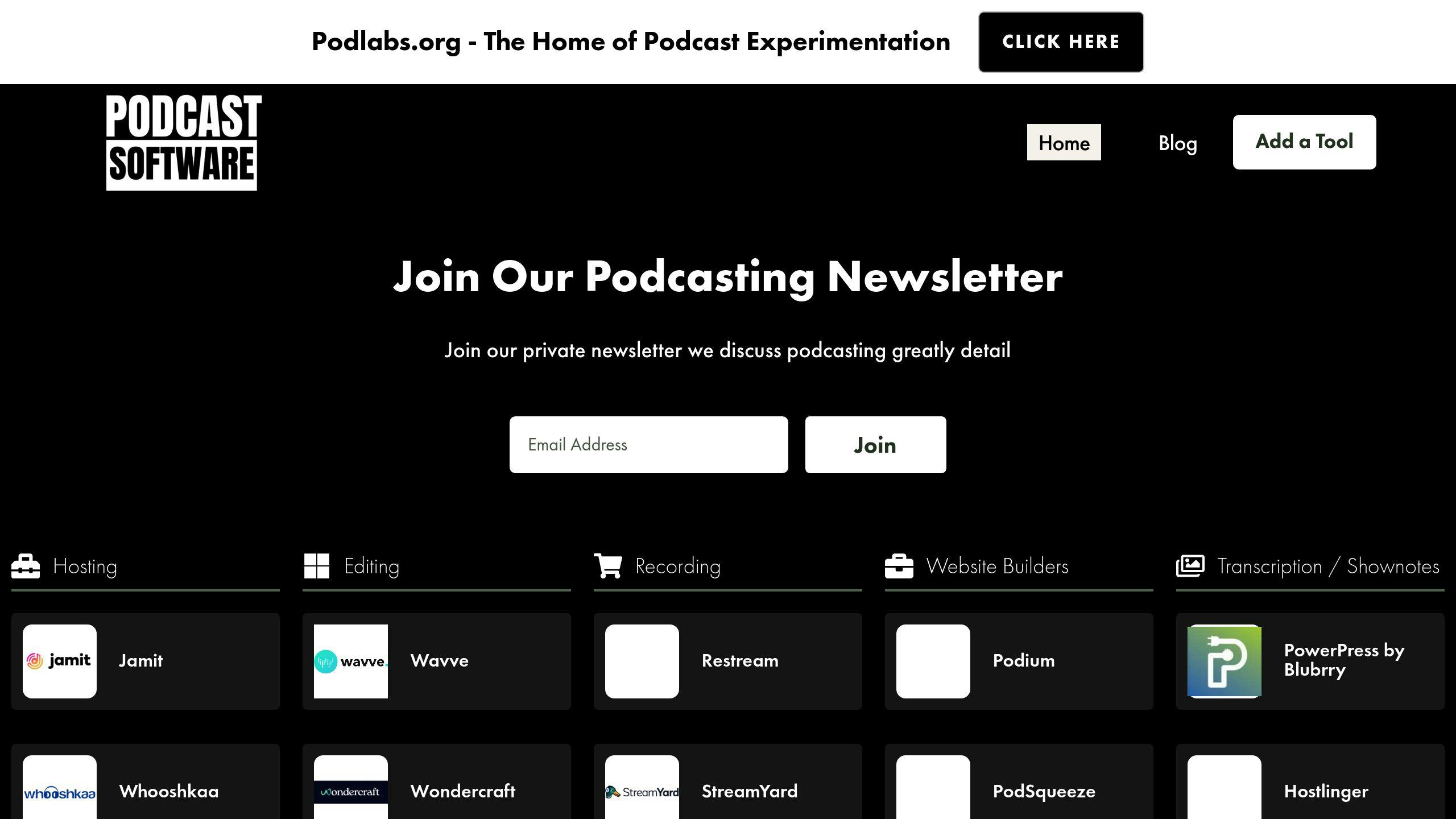
For those looking for a centralized resource, Podcastsoftware.co is a helpful platform. It offers detailed comparisons of over 30 podcast tools, covering everything from hosting to analytics. Whether you’re new to podcasting or refining your toolkit, this site can guide you toward the best solutions for your needs.
Conclusion
Blending feedback with metrics is crucial for podcast success. Metrics offer clear, data-based insights into audience behavior, while feedback reveals personal preferences and opinions. Together, they provide a well-rounded approach to improving content and growing your audience.
Main Points
Recent data highlights the benefits of this combined strategy. Research from Libsyn shows that 71% of podcast listeners feel more connected when hosts actively respond to their feedback [3]. This connection can directly strengthen audience loyalty.
To break it down, here’s a quick comparison:
| Aspect | Listener Feedback | Engagement Metrics | Combined Impact |
|---|---|---|---|
| Data Type | Personal insights | Numerical performance data | A complete understanding |
| Time Frame | Builds relationships | Tracks trends over time | Balanced short- and long-term focus |
| Action Items | Guides content creation | Optimizes distribution | Informed strategic decisions |
| ROI Measurement | Measures listener loyalty | Tracks overall success | Aligns satisfaction with results |
The secret to success is finding the right balance between these two approaches. By doing so, you can align audience satisfaction with measurable outcomes [1].
To make the most of this strategy:
- Regularly review data and adjust content based on listener feedback.
- Use metrics to confirm which changes are driving results.
- Continuously refine your content strategy by combining these insights.