
Trademarking your podcast name is a smart way to protect your brand and secure exclusive rights to your show’s identity. Here’s how you can do it:
- How to Trademark Your Podcast Before Someone else Does
- Trademark Basics for Podcast Creators
- What Parts of Your Podcast Can Be Trademarked
- Federal vs. Common Law Trademarks
- Trademark Priority: First to Use vs. First to Register
- How to Trademark Your Podcast Name
- Step 1: Choose a Name That Qualifies for Protection
- Step 2: Check for Existing Trademarks
- Step 3: File Your Trademark Application
- Step 4: Address USPTO Office Actions
- Step 5: Await Approval or Address Rejection
- sbb-itb-0e595bb
- Common Trademarking Mistakes to Avoid
- Picking a Generic or Common Name
- Not Doing a Complete Trademark Search
- Making Filing Errors and Incomplete Applications
- How to Protect Your Trademark After Registration
- How to Use the ® Symbol Correctly
- Watching for Trademark Violations
- Renewing Your Trademark
- Conclusion: Protect Your Podcast’s Future with a Trademark
- FAQs
- What are the advantages of trademarking my podcast name instead of relying on common law rights?
- How can I make sure my podcast name qualifies for trademark protection?
- What should I do if someone else is using a name similar to my trademarked podcast?
- Related Blog Posts
- Pick a Unique Name: Choose a name that stands out and isn’t generic or descriptive. Names like “Daily News Podcast” won’t qualify, but something creative and specific will.
- Check Availability: Use the USPTO’s Trademark Electronic Search System (TESS) to ensure your name isn’t already taken. Look for exact matches, similar names, and unregistered trademarks.
- File with the USPTO: Submit your application, including your podcast name, logo (if applicable), and proof of use (e.g., a screenshot of your podcast on a platform). Filing fees range from $250 to $350 per class.
- Respond to Office Actions: If the USPTO requests more information or identifies issues, you’ll need to address them promptly to keep your application moving forward.
- Monitor and Maintain: Once approved, use the ® symbol and watch for potential infringements. Renew your trademark between the 5th and 6th year, then every 10 years.
Skipping this process risks losing your podcast name to competitors or facing expensive rebranding later. By securing a trademark, you protect your brand and open doors for future growth, like sponsorships and merchandise opportunities.
How to Trademark Your Podcast Before Someone else Does
Trademark Basics for Podcast Creators
A trademark gives you exclusive rights to specific words, phrases, logos, or other identifiers that make your podcast stand out.
What Parts of Your Podcast Can Be Trademarked
Your podcast’s name is the most obvious choice for trademark protection, but it’s not the only one. You can also trademark your logo, catchy slogans or taglines, and even unique segment names that your audience associates with your show.
Take, for example, the podcast Who Smarted? – they’ve trademarked their name and logo to safeguard their brand. To qualify for trademark protection, these elements must be unique and clearly identify your podcast. Generic names like "The Daily News Podcast" are unlikely to qualify, but a creative and one-of-a-kind name that instantly connects with your show’s identity has a much better chance.
If your podcast hasn’t launched yet, you can still act. Filing an intent-to-use trademark application allows you to reserve rights to your chosen name while you gear up for launch. This proactive step can help prevent someone else from claiming a similar name before your podcast officially starts.
Federal vs. Common Law Trademarks
In the U.S., trademarks operate on two levels: common law and federal. Common law trademarks are automatic – you establish them simply by using your podcast name, logo, or tagline in commerce. For example, once you release your first episode and consistently brand it, you gain common law rights. However, these rights are limited to the specific geographic area where your mark is used.
Federal trademarks, on the other hand, are registered through the United States Patent and Trademark Office (USPTO) and offer protection nationwide. With federal registration, you gain the right to use the ® symbol, your trademark is listed in the USPTO database, and you have stronger legal tools to handle infringement. This level of protection is especially beneficial for podcasters, whose audience often spans the entire country.
Here’s a quick breakdown:
| Federal Trademark | Common Law Trademark |
|---|---|
| Nationwide protection | Limited to your local area of use |
| Right to use the ® symbol | No right to use the ® symbol |
| Listed in the USPTO database | Not listed in any official database |
| Easier to enforce in court | Harder to enforce with fewer legal remedies |
| Can block later registrations | Cannot block federal registrations |
If you’re relying on common law rights, it’s important to consistently use your podcast name across all episodes, your website, and promotional materials. However, keep in mind that these rights don’t offer the same comprehensive protection as federal registration.
Trademark Priority: First to Use vs. First to Register
In the U.S., trademark priority is generally based on a first-to-use system. This means that the first person to use a trademark in commerce typically holds the upper hand. However, federal registration can strengthen and expand these rights significantly. If you’ve been using a name but someone else registers it federally before you do, your rights may be confined to the geographic area where you’ve been actively using it.
Considering the fierce competition in the podcasting world and the rise in trademark disputes, securing federal registration as soon as possible is a smart move. Not only does it solidify your exclusive rights, but it also opens up opportunities for growth, such as licensing, merchandise, and partnerships.
Up next, we’ll walk you through the step-by-step process to register your podcast name.
How to Trademark Your Podcast Name
Securing a trademark for your podcast name is a smart move to protect your brand and establish its identity. Here’s how you can register your podcast name with the USPTO and secure exclusive rights.
Step 1: Choose a Name That Qualifies for Protection
Start by picking a name that meets the USPTO’s trademark requirements. Your name should be unique and stand out – it can’t be generic or purely descriptive [1].
For instance, a name like "The Daily News Podcast" might not make the cut because it simply describes the content. On the other hand, something like "Sounds Debatable" is more likely to qualify since it’s distinctive and memorable [1].
Steer clear of these common mistakes:
- Using only industry terms or generic phrases
- Choosing names that simply describe your podcast’s content
- Picking names that are too similar to existing trademarks
Your goal is to create a name that grabs attention in the crowded podcast landscape – a name that makes people think of your show, not just the type of content it offers.
Step 2: Check for Existing Trademarks
Before committing to a name, make sure it’s available. Use the USPTO’s Trademark Electronic Search System (TESS) to check for trademarks that are identical or similar to your chosen name [1].
Don’t stop at exact matches. Look for names that sound similar, carry similar meanings, or could confuse listeners. For example, if "Sound Debate" is already trademarked, your application for "Sounds Debatable" might face challenges.
Your search should include:
- Exact matches of your name
- Names that sound similar
- Names with related meanings
- Both registered trademarks and unregistered (common law) uses
Keep in mind, even unregistered names can have legal protection if they’ve been used in commerce.
Step 3: File Your Trademark Application
Once you confirm your name is available, you’re ready to file your application with the USPTO. Start by creating an account and gathering the required details.
Here’s what you’ll need:
- The exact podcast name you want to trademark
- A description of your goods or services (usually Class 9 for downloadable media or Class 41 for entertainment)
- Any logos or taglines you want to include
- A specimen showing how the name is already being used (e.g., a screenshot of your podcast on a streaming platform)
Steps to file:
- Set up your USPTO account
- Select the correct trademark class (Class 9 or Class 41 for podcasts)
- Upload your specimen of use
- Pay the non-refundable filing fee, which is typically $250–$350 per class [1]
- Submit your application through the USPTO website
Double-check everything before hitting submit. Errors, like choosing the wrong trademark class, can lead to rejection and additional filing fees.
Step 4: Address USPTO Office Actions
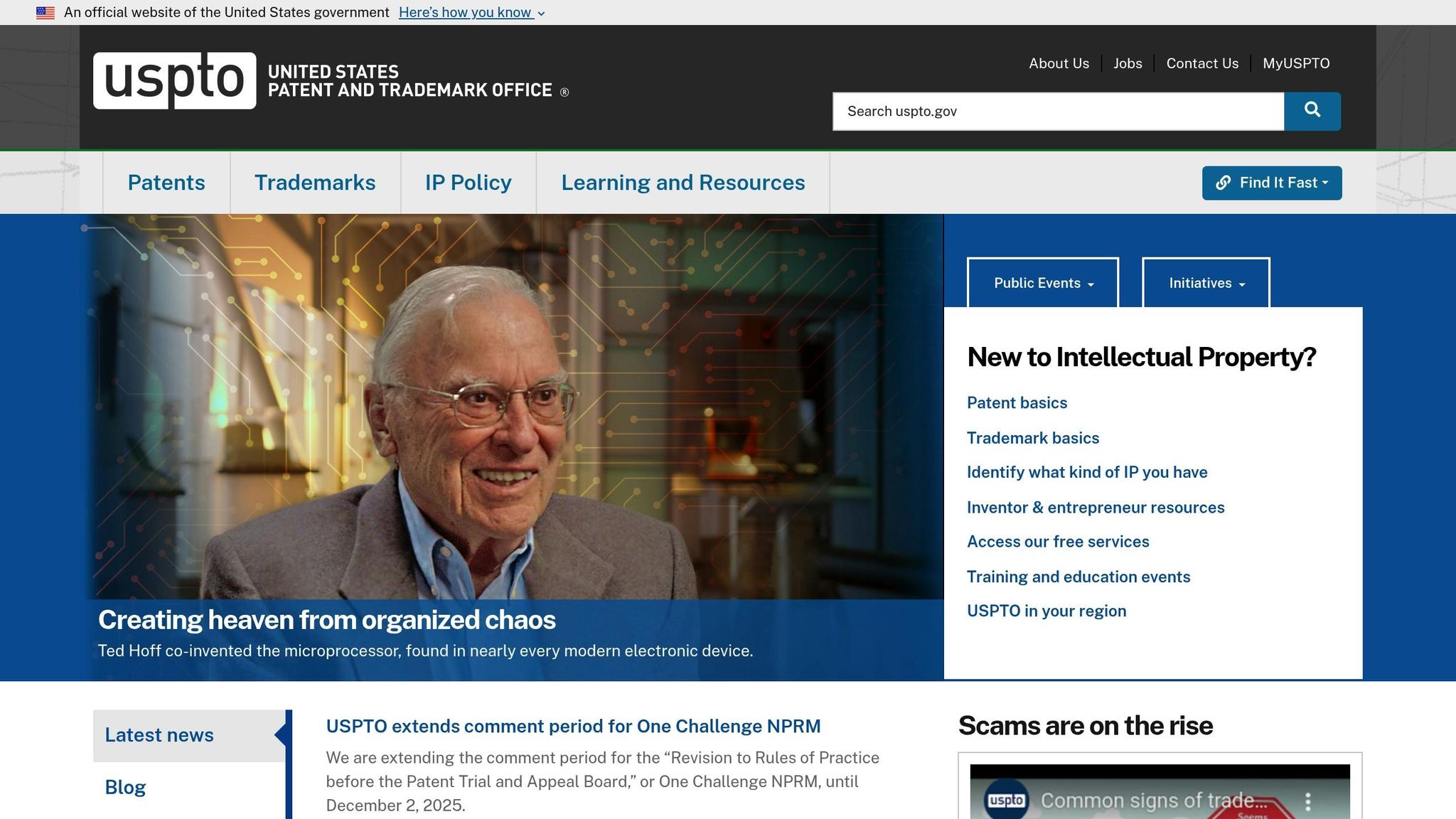
After submission, a USPTO examining attorney will review your application. They might issue an office action, which is essentially a request for clarification or more information.
You’ll typically have six months to respond [4]. Common requests include:
- Clarifying your description of goods or services
- Providing more specimens to show how you use the name
- Resolving conflicts with existing trademarks
- Fixing technical errors in your application
Failing to respond within the deadline will result in your application being abandoned. If you’re unsure how to proceed, consider consulting a trademark attorney or using professional resources to ensure your response is accurate.
Step 5: Await Approval or Address Rejection
The trademark process usually takes six months to a year from start to finish [1]. If your application is approved, your trademark will be published for opposition. This gives others 30 days to challenge it.
If no one opposes, your trademark will be registered, and you’ll receive an official certificate. At this point, you can start using the ® symbol with your podcast name.
If your application is rejected, common reasons include:
- The name is too generic or descriptive
- It’s too similar to an existing trademark
- The wrong trademark class was selected
- Insufficient specimens or documentation were provided
The USPTO will provide a detailed explanation of the rejection, along with instructions for appeal or amendment. Depending on the issue, you may be able to fix the problem by updating your application, submitting more evidence, or explaining why your name doesn’t conflict with existing trademarks. In some cases, you might need to choose a new name entirely.
Taking these steps will help you protect your podcast name and give your brand a solid legal foundation.
sbb-itb-0e595bb
Common Trademarking Mistakes to Avoid
Even with the best intentions, podcast creators sometimes make costly trademarking missteps that can delay or even derail the process. Being aware of these common pitfalls can help you navigate the registration process more smoothly.
Picking a Generic or Common Name
One of the most frequent mistakes podcasters make is choosing a name that’s too generic. The USPTO rejects trademarks for names that are purely functional or simply describe the nature of your podcast. For instance, names like "The Sports Talk Show", "Daily Business News", or "True Crime Stories" are considered too generic to be trademarked [1]. Beyond the legal hurdles, generic names make it harder to stand out in a crowded market. With so many similar-sounding titles, your podcast risks being overlooked or forgotten by listeners.
Instead, aim for a name that’s distinctive and memorable – something that sparks curiosity or creates an emotional connection. Think of standout podcast names like Serial, This American Life, or Conan O’Brien Needs a Friend. These titles not only succeed in branding but also have a better chance of passing trademark scrutiny.
But choosing the right name is just the beginning – thorough research is equally important.
Not Doing a Complete Trademark Search
Rushing into the trademark process without a full search is another common mistake. Overlooking this step can lead to costly consequences. An incomplete search might miss existing trademarks that could block your application or result in legal challenges [1]. Simply checking the USPTO database isn’t enough. It may not reveal unregistered trademarks that have legal protections through consistent use in commerce. For example, a podcast that’s been around for years without federal registration could still hold trademark rights.
A proper search should go beyond federal databases. Check podcast platforms, social media, and domain registrations to identify potential conflicts. Skipping this step could lead to legal notices, forced rebranding, or expensive disputes down the road. Spending time on a comprehensive search upfront can save you significant headaches – and money – later.
Once your research is complete, the focus shifts to filing your application correctly.
Making Filing Errors and Incomplete Applications
Filing errors are a frequent stumbling block, and they can delay your application or lead to rejection. Keep in mind that USPTO application fees are non-refundable [3]. A common mistake is selecting the wrong trademark classification. For podcasts, the correct categories are typically Class 9 (downloadable media) and Class 41 (entertainment services). Filing under the wrong category can result in rejection and force you to start over [2].
Incomplete applications are another issue. You’ll need to provide clear evidence – called specimens – that show how your trademark is used in commerce. Simple screenshots might not meet the requirements. Additionally, inconsistencies, such as spelling errors or conflicting service descriptions, can trigger rejections.
Take the time to carefully review your application. Double-check the spelling of your podcast name, confirm you’ve selected the correct classification, and ensure all necessary documents are included. To reduce the risk of errors, consider consulting a trademark professional or using services like Sounds Debatable for expert guidance. A little extra effort upfront can significantly increase the likelihood of your application being approved.
How to Protect Your Trademark After Registration
Registering your trademark is a big step, but it’s only the beginning. Once the USPTO approves your registration, it’s up to you to actively safeguard and maintain your rights. Without proper care, your protection can weaken over time. Let’s dive into how to use your trademark correctly, monitor for potential violations, and stay on top of renewal requirements.
How to Use the ® Symbol Correctly
Now that your trademark is officially registered, using the ® symbol correctly is crucial. This symbol signals that your trademark is protected under federal law, but there are strict guidelines for its use. You can only display the ® symbol after the USPTO has officially registered your trademark. Using it prematurely is a violation of federal law and can result in penalties [1][4].
The ® symbol should appear directly after your registered name or logo in all commercial settings. For example, if your podcast is named "Daily Deep Dive", you should display it as "Daily Deep Dive®" on your website, social media, merchandise, and promotional materials. This consistent use not only informs the public of your exclusive rights but also helps deter potential infringers.
Beyond that, regular use of the ® symbol can strengthen your legal standing if you ever need to enforce your trademark rights in court.
Watching for Trademark Violations
Once your trademark is registered, the responsibility to monitor for unauthorized use falls on you. The USPTO doesn’t track violations, so staying vigilant is key to protecting your brand.
Start by setting up Google Alerts for your trademarked name to track mentions online. Regularly check podcast directories like Apple Podcasts and Spotify, as well as social media platforms, to spot any shows or accounts using names similar to yours. Don’t forget to search domain registration databases for potential conflicts.
If you come across unauthorized use, document everything. Save screenshots, URLs, and note the dates of discovery. This evidence can be critical if legal action becomes necessary.
In cases of infringement, your first course of action is usually a cease-and-desist letter. This formal letter demands that the infringer stop using your trademark. When written carefully, it can often resolve the issue without escalating to court. However, poorly drafted letters can backfire, so it’s wise to consult a trademark attorney for guidance. For more support, platforms like Sounds Debatable can connect you with professionals who specialize in protecting podcast brands [1].
Renewing Your Trademark
Trademark protection isn’t a one-and-done deal – it requires periodic renewals to stay active. Missing renewal deadlines can lead to the cancellation of your trademark rights [5].
Here’s how the renewal timeline works: your first renewal is due between the fifth and sixth year after your initial registration. After that, renewals are required every 10 years. The USPTO doesn’t send reminders, so it’s up to you to keep track of these dates.
Renewing your trademark involves filing two key documents:
- A Section 8 declaration, which proves you’re still using the trademark in commerce.
- A Section 9 renewal application.
Each filing costs $225 per class, so if your podcast is registered under one class, you’ll pay $450 total [5]. If you miss the deadline, the USPTO offers a grace period, but additional fees will apply. Failing to renew within the grace period means losing your trademark protection entirely, forcing you to restart the registration process – assuming no one else has claimed your name in the meantime.
To ensure a smooth renewal process, keep detailed records of how you’re using your trademark. Save examples like podcast episodes, marketing materials, and merchandise featuring your registered name. These records will serve as proof of continued use when filing your renewal documents.
Conclusion: Protect Your Podcast’s Future with a Trademark
Trademarking your podcast name isn’t just about ticking off a legal box – it’s a smart move to safeguard your show’s identity and potential. By securing exclusive nationwide rights to your podcast name, you create a strong foundation that not only protects your brand but also opens doors to revenue opportunities that unregistered podcasts simply can’t access.
The process might feel overwhelming at first, but breaking it down into manageable steps – like choosing a distinctive name, conducting a thorough search, and filing with the USPTO – makes it much more approachable. Following these steps carefully ensures your trademark application is handled effectively.
Skipping trademark protection comes with serious risks. Without federal registration, you leave yourself exposed to competitors who could claim similar names before you do. Imagine having to rebrand after pouring months or even years into building your audience. Trademarking early helps you avoid this nightmare and keeps your brand identity secure.
Plus, the benefits of trademarking go beyond protection. Sponsors and merchandise partners often prefer working with trademarked shows because it signals credibility and stability. A registered trademark can even become a valuable asset, allowing you to license it for additional income streams beyond traditional ads.
While there’s an upfront cost, it’s a small price to pay compared to the expenses of rebranding or dealing with legal disputes. Expert advice can make the process smoother by helping you dodge common pitfalls like picking a name that’s too generic or submitting an incomplete application.
If you’d rather not go through the hassle alone, Sounds Debatable can connect you with professionals who specialize in protecting podcast brands. Trusted by companies like Indeed and creators of shows such as Who Smarted, their tailored advice can help you navigate the trademark process with confidence and ease.
FAQs
What are the advantages of trademarking my podcast name instead of relying on common law rights?
Trademarking your podcast name comes with several important advantages that go beyond the basic protections of common law rights. For starters, a registered trademark offers nationwide protection across the United States. In contrast, common law rights typically only cover the specific geographic area where your podcast is well-known. This expanded coverage becomes increasingly important as your podcast gains popularity and reaches audiences far and wide.
Another key benefit is the legal presumption of ownership that comes with a registered trademark. This makes it much simpler to enforce your rights if someone else starts using a similar name. Plus, you’ll have access to stronger legal tools, like statutory damages, to address cases of infringement.
On top of that, trademark registration can boost your podcast’s professional appeal. It signals credibility, which can help attract sponsors, collaborators, and a loyal listener base. Protecting your name also safeguards the brand identity you’ve worked hard to create, ensuring it remains uniquely yours.
How can I make sure my podcast name qualifies for trademark protection?
When picking a podcast name, it’s crucial to ensure it’s unique enough to qualify for trademark protection. Start by searching the United States Patent and Trademark Office (USPTO) database to see if any similar names are already trademarked. This step helps you avoid legal conflicts and ensures your name stands out.
Go for a name that’s distinct and not overly generic or descriptive. The more original and creative your name, the better your chances of securing trademark protection. If you’re feeling uncertain, reaching out to a legal expert or a podcast advisor can be a smart move. They can offer personalized advice to guide you through the process and help you sidestep potential issues.
What should I do if someone else is using a name similar to my trademarked podcast?
If you come across someone using a name that closely resembles your trademarked podcast, it’s crucial to address the situation promptly and thoughtfully. The first step is to consult with a legal professional who can assess whether this usage infringes on your trademark rights. They’ll help you determine the most effective approach, whether it’s issuing a cease-and-desist letter or pursuing additional legal remedies.
Acting early safeguards your brand and minimizes the risk of more complex issues arising later.